PRODUCTION - Codes and Conventions
A mockumentary is a a television programme or film which takes the form of a serious documentary in order to satirise it's subject.
Mockumentary productions are often used to analyse or comment on current affairs and events by using fictional settings or parodies in documentary forms itself. Mocumentaries tend to be comedic / pseudo-documentaries. Pseudo-Documentaries shouldn't be confused with Docudramas as they are similar however not the same. Pseudo Documentaries are a fictional genre that dramatic techniques are combined with documentary elements to portray real life events. Docudramas are a genre in which documentaries are mixed with fictional events.
The term "mockumentary" originated in the 1960's and popularised in mid 1980's. Mocumentaries tend to be presented as historical documentaries, discussing past events or pieces following people through various events. I watched a series on BBC called "Life and Death Row" which followed the lives of criminals on Death Row and their families as well as the victims families. It also followed the Court case behind the criminals to see if the death penalty could be lifted.
Mockumentaries use the same codes and conventions as documentaries like the voice-over narration, footage and photographs of events, interviews with experts and sometimes hand-held cameras. Mock-Documentaries tend to work well with the audience as they usually assume and have unwritten expectations that there is a documentary and that all the text, footage, sounds etc are actually real. Non- Diegetic sound and professional camera shots are used when transitioning from one location to another. By avoiding long-shots and focusing more on close-ups when a subject is introduced allows the audience to engage easier with them. Still images are sometimes used to assist in what the narrator or interviewee is talking about.
Comedic Documentaries are comedic material used and presented in documentary style and tend to report a particular theme or issue and use the same methods of collecting information. An example of a comedic documentary is "This Is Spinal Tap" which was released in in 1984.
Mockumentaries tend to have a very light-hearted vibe and often shows characters thrown into high intensity situations making them stressed and anxious. A laugh track is a separate soundtrack for a comedy show containing the sound of audience laughter and was invented in the 1960's by American sound engineer Charles Douglass. This tends to be used very often in Sit-Coms and implies the overwhelming sound of artificial laughter, reminding the audience that the show is fictional. Disney channel used laugh tracks frequently in shows like iCarly and Victorious.

The term "mockumentary" originated in the 1960's and popularised in mid 1980's. Mocumentaries tend to be presented as historical documentaries, discussing past events or pieces following people through various events. I watched a series on BBC called "Life and Death Row" which followed the lives of criminals on Death Row and their families as well as the victims families. It also followed the Court case behind the criminals to see if the death penalty could be lifted.
Comedic Documentaries are comedic material used and presented in documentary style and tend to report a particular theme or issue and use the same methods of collecting information. An example of a comedic documentary is "This Is Spinal Tap" which was released in in 1984.
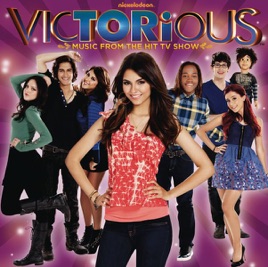
Mockumentaries tend to have a very light-hearted vibe and often shows characters thrown into high intensity situations making them stressed and anxious. A laugh track is a separate soundtrack for a comedy show containing the sound of audience laughter and was invented in the 1960's by American sound engineer Charles Douglass. This tends to be used very often in Sit-Coms and implies the overwhelming sound of artificial laughter, reminding the audience that the show is fictional. Disney channel used laugh tracks frequently in shows like iCarly and Victorious.
Comments
Post a Comment